
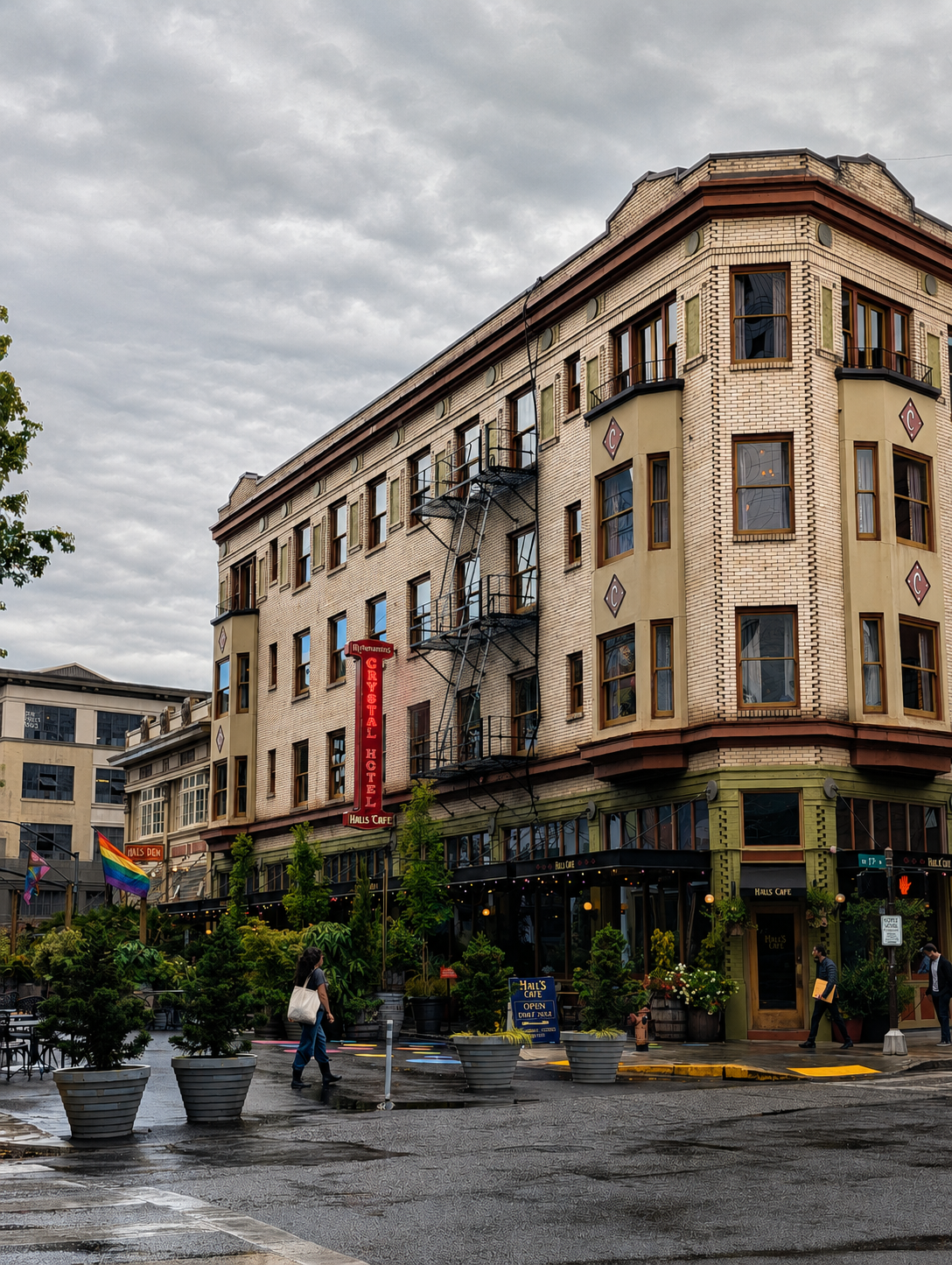
The Functional Diversity Diagnostic
Understanding the Conditions that Shape Healthy Commercial Districts
The Functional Diversity Diagnostic is an assessment methodology developed by Rhize Urban Strategy to evaluate corridor conditions across six dimensions and track change over time.
The Diagnostic shows where a corridor stands, what may be holding it back, and what needs the most attention.
What the Diagnostic shows you
The analysis is summarized in three distinct outputs.
 functional diversity score
Standing describes where the corridor stands at the observation date.
Trajectory is a separate directional judgment based on the available evidence.
The findings beneath these outputs explain the corridor's specific strengths, weaknesses, and priorities- and where focused action may be most useful.
The Six Dimensions of Functional Diversity
The Functional Diversity Diagnostic looks beyond what's on the map to understand how a corridor works, and whether or not it's sustainable under current conditions.

The variety of uses along the corridor and how much activity depends on just a few of them.

How well the business base holds up through changes in demand, vacancy, and turnover.

The corridor's ability to care for and guide itself through rooted ownership, local organizations, and coordinated action.

How consistently active storefronts line the street, and where larger gaps interrupt them.

How activity is spread across the morning, midday, and evening.

The condition and usefulness of the corridor's buildings, storefronts, sidewalks, and other physical assets.
Together, these six dimensions reveal the strengths, gaps, and opportunities that shape a corridor's current health, and its potential for future resilience.
How we're able to see
what's just beneath the surface
Every Diagnostic begins with the corridor itself. We document what we can see on the street, then pair those observations with storefront and business information, maps, market conditions, nearby development, and conversations with people who know the place well.
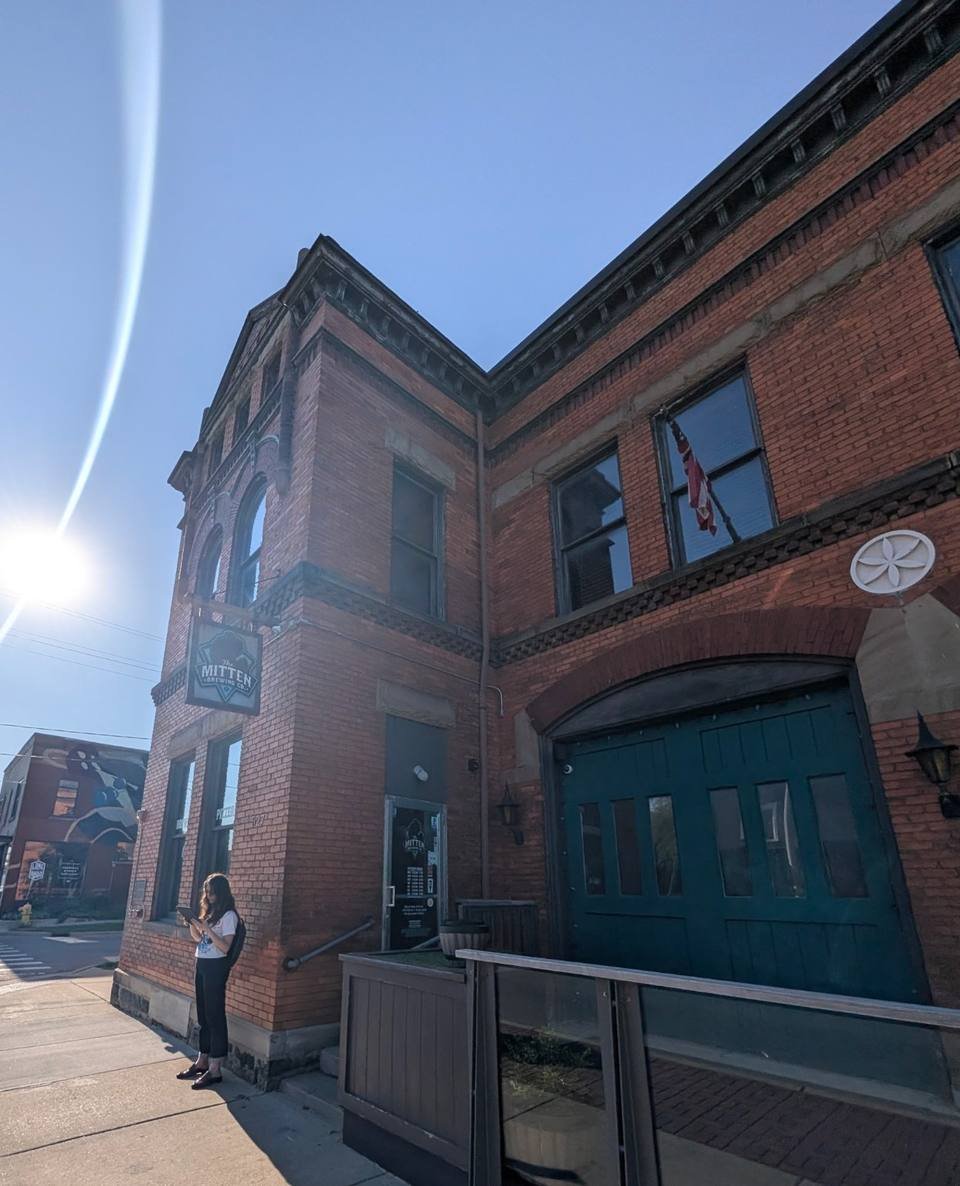
In the field
We walk the corridor and document storefront conditions, activity, vacancy, signage, use, and everything observable from the street.
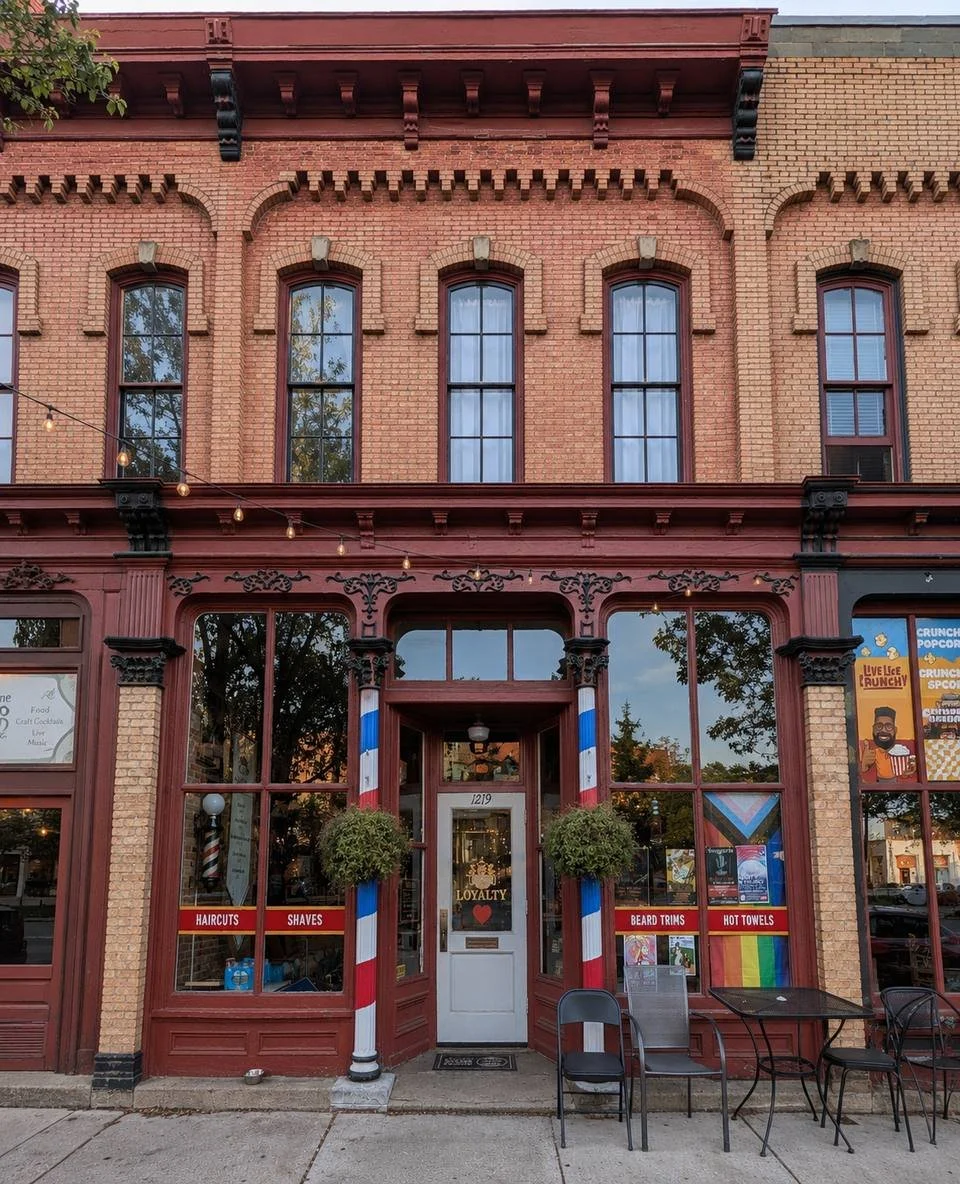
Use + occupancy
We record what is operating in and above each space- the concentration of use types, day parts, and economic cycles.
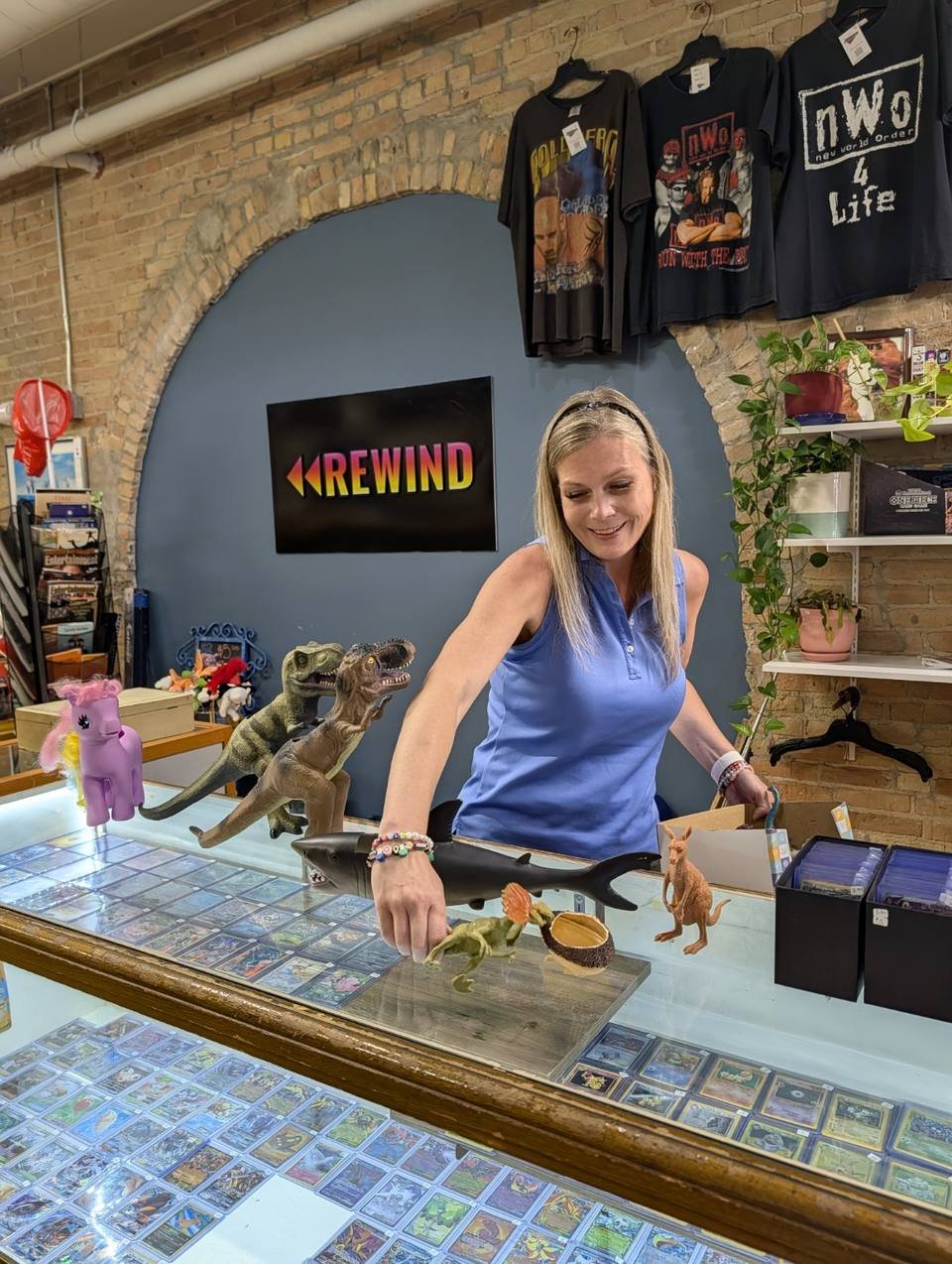
What we hear locally
We talk with business owners, property owners, residents, city staff, and diverse stakeholders to understand what the data doesn't show.
Maps + analysis
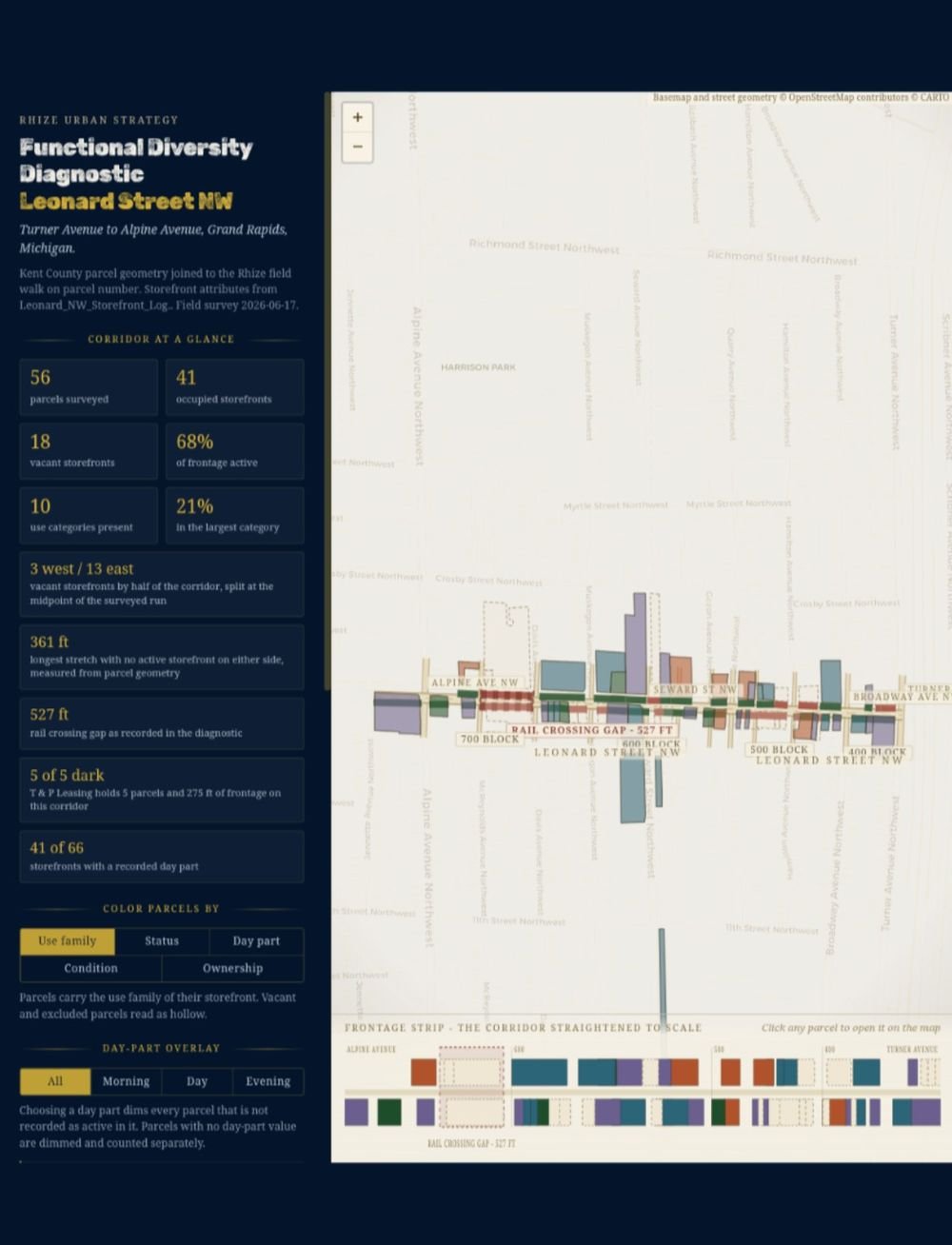
We layer what we see on the street with maps- zoning, ownership, activity, and diversity in type.
Market + economic context
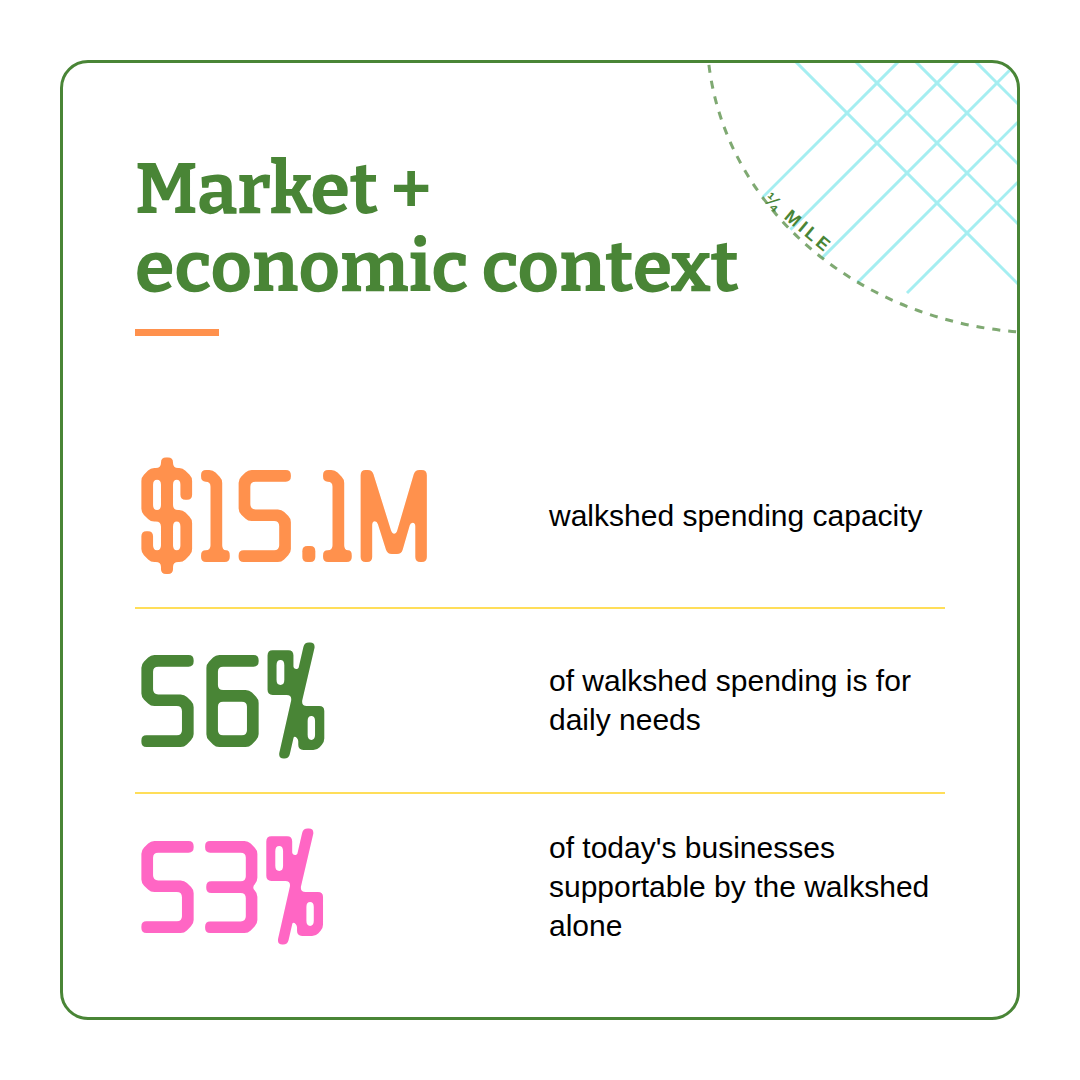
We analyze local spending capacity, demographics, employment, regional investment and development trajectory, and other forces shaping demand and opportunity.
What you receive
Every Diagnostic includes the core deliverables below. Optional next steps are available when implementation support or later measurement is needed.
- 1Functional Diversity Score, standing, and trajectoryA clear starting point and directional read of corridor health.
- 2Six-dimension findingsThe corridor's strengths, gaps, and conditions across all six dimensions.
- 3Maps and supporting analysisSpatial and market evidence that helps explain a corridor's performance.
- 4Strategic priorities and sequencingA focused set of priorities, ordered for action.
- 5Presentation of findingsA guided review of the findings with the client team and key stakeholders.
Who
this is for
The Functional Diversity Diagnostic is built for the people and organizations responsible for a corridor's future. It helps identify which conditions deserve attention first, so decisions about investment, business support, redevelopment, and stewardship can be grounded in how the corridor is actually working.

Cities + municipalities
When public leaders need a clearer picture of corridor conditions before setting priorities, making investments, or responding to change.

Downtown, district, and corridor organizations
When the street is familiar, but the underlying patterns need to be understood more rigorously.

Community and economic development organizations
When business support, redevelopment, or recruitment efforts need to be grounded in how the corridor works day to day.

Property owners, institutions, and major stakeholders
When decisions about buildings, investment, or long-term stewardship reach past a single site and shape the whole corridor.